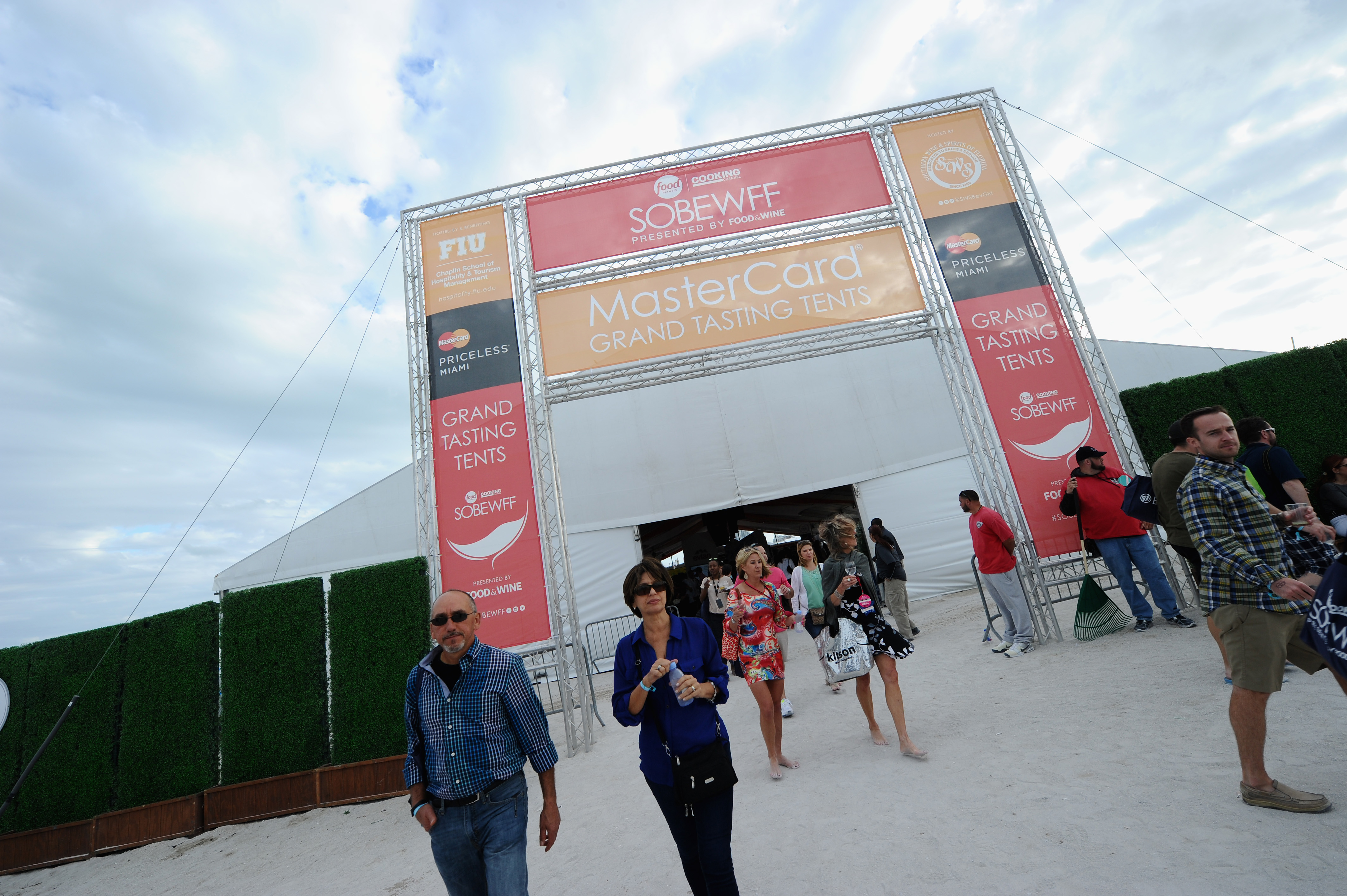
The ninth annual Food Network South Beach Wine & Food Festival has come and gone, leaving the South Beach sand wine soaked, the air tinged with delicious aromas and our scales tilting in the wrong direction. This year’s festival boasted an unprecedented number of events, with more than 50, 000 attendees, and over $2 million raised for the Florida International University (FIU) School of Hospitality and Tourism Management and the Southern Wine & Spirits Beverage Management Center.
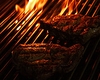
The Amstel Light Burger Bash kicked -off the four day festival on Thursday night. Bobby Flay, Daniel Boulud, Guy Fieri, Rachael Ray,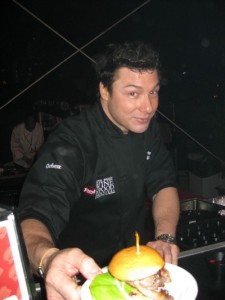 and Michael Symon all under one tent is any foodies dream, and this year’s carnivorous romp made that delectable dream come true as chefs from all around our nation battled it out to see who could come up with this year’s People’s Choice Award for “Best Burger.” The party, held in a giant tent behind the Ritz Carlton, was a blast, the cool weather adding to the already high-spirits of SBWFF lovers, who didn’t seem to mind the smoke and barbecue “fragrance” which permeated their lungs, hair and clothing. Last Year’s defending champ, Spike Mendelsohn, wore a heavyweight championship belt, boxing trunks, robe and gloves and had the Rocky theme song blaring from his section, while serving his classic burger with American cheese and bacon on a soft bun accompanied with a cotton candy milk shake (yummy!). Masaharu Morimoto’s burgers were rumored to be among the best, as evidenced by the line of people waiting that spanned the length of the tent. The Iron Chef won for best “toppings” and was awarded a Tiffany Heinz Ketchup Bottle. The 2010 People’s Choice Award winner was Michael Symon of B Spot and his Swiss, pastrami, and coleslaw burger (Pepcid, anyone?). Former champ, Mendelsohn graciously handed over his heavyweight belt to Symon to solidify the win. Our very own, Michael Schwartz of Michael’s Genuine Food (who in our humble opinion makes the best burger in Miami) took top honors earning the Allen Brothers Golden Grill Award – the judge’s choice for best burger for his bacon cheeseburger on brioche with a side of crispy hominy with chili and lime. Other celeb-chefs spotted included Sandra Lee, Michael Chiarello, Sunny Anderson, Rocco DiSpirito, Jeff McInnis, Govind Armstrong, Tim Love, Carla Hall, Art Smith, Anne Burell, and Michael Schwartz among many others. The delightful dessert selections from Jeni’s Splendid Gourmet Ice Creams (almond brittle and Cocoa Zin and salty caramel-ooh la la!) and Levain Bakery’s 6 oz cookies (yes, almost half a pound) capped off a perfect evening.
Read the rest of this entry »



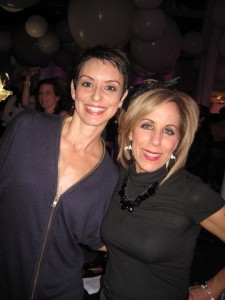 One of the most creative parties to date was the Museum of Contemporary Art’s (MOCA) Bohemian Bash which took place Saturday night at the museum. The evening’s theme celebrated the role of the unconventional in the artistic process, a reference to the Dadaist movement of the early 1900s that included surreal happenings and feted the irrational (glad we paid attention in Art History). And unconventional it was, with everything from an upside-down living room suspended from the ceiling above one of the bars; fortune tellers, spontaneous poets, who composed poems for guests on the spot; avant-garde films and images projected on dramatically lit oversized white balloons covering the ceiling, the Escher-inspired black and white optical illusion dessert room, a frenetic tap dancer covered in gold metallic-paint in a gold room, and sultry burlesque dancers performing behind a screen.




.jpg)